 A Tale of Two Cities1935
A Tale of Two Cities
1935
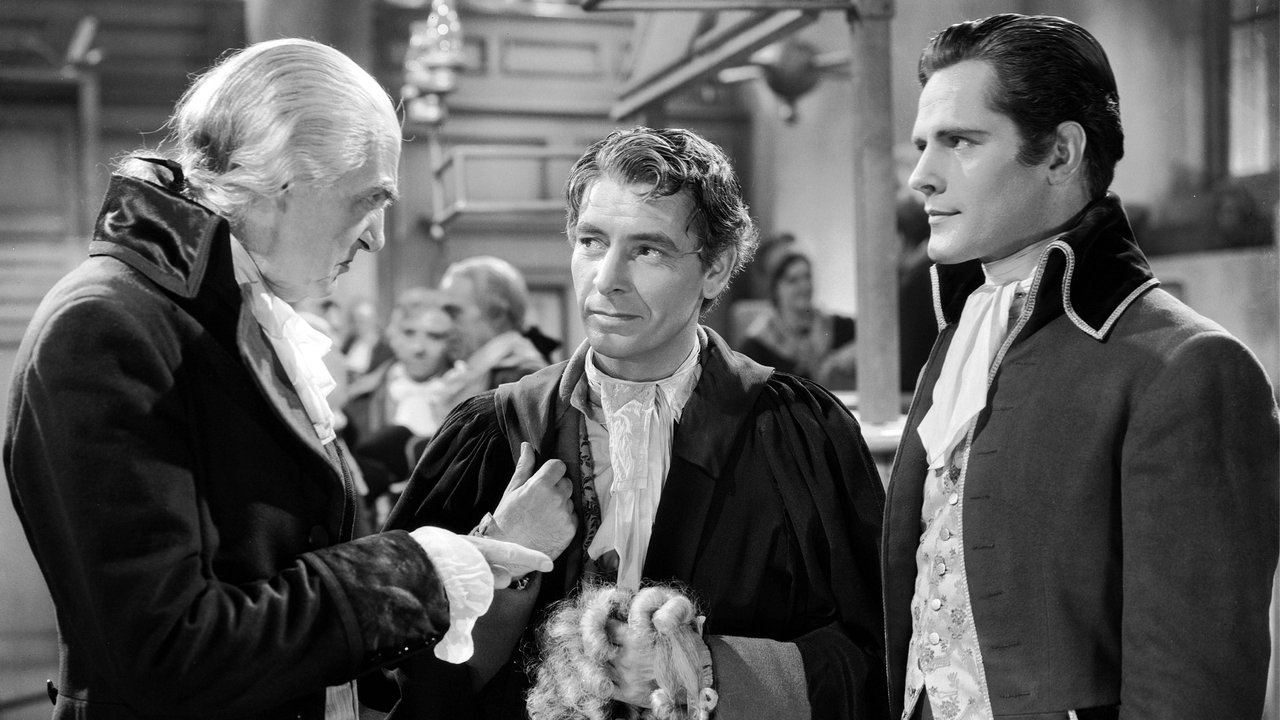
In London and Paris before and during the French Revolution, the dissolute lawyer Sydney Carton loves Lucie Manette, who marries the émigré aristocrat Charles Darnay. When the Revolution's terror reaches Darnay, Carton finds a reason for his life.
For children old enough to talk it through: sustained intensity, or language or sexual content that Common Sense Media rates 7–9.
Why it’s here
A wasted life redeemed by one act of self-giving love: "It is a far, far better thing that I do." The clearest picture of substitutionary sacrifice in the Golden Age canon.
Context notes
For parents, before you press play.
Carton is a heavy drinker who despises himself; his drinking is shown as ruin he rises above, not glamour. Revolutionary mob violence, a child killed by an aristocrat's coach, and guillotine executions (not shown in close-up) will need some historical explanation.
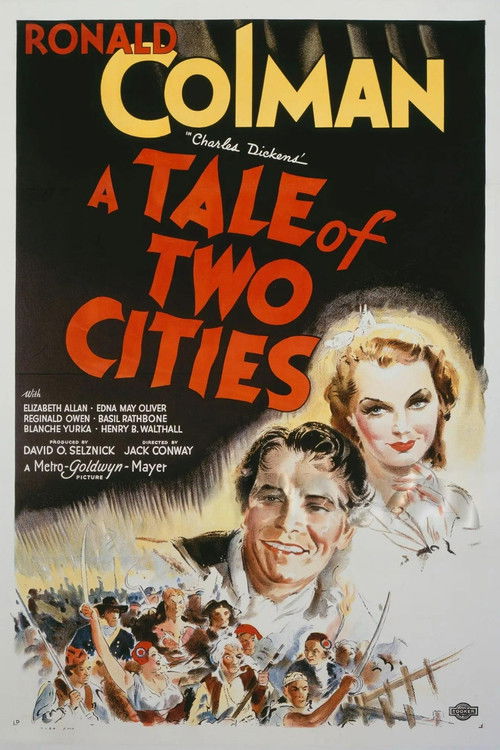
A Tale of Two Cities (1935)
Discussion questions
When the credits end, go around the room. Each person gives the film a score out of ten and says why.
- Why did Sydney Carton do what he did?
- How was Carton different at the end?
- Was Madame Defarge right to want justice? Where did she go wrong?
- What did "a far, far better thing" mean?
Content advisory
Movieguide (via WebSearch): mob violence, a child run down by a coach, a stabbing, and guillotine executions without close-ups; drinking and drunkenness; no profanity.
Trailer
Best edition
The disc comes first.
A Tale of Two Cities Blu-ray (Warner Archive Collection)
Blu-ray · February 9, 2021
Edition link coming soon.
Listing on Blu-ray.com (opens in a new tab)Coming later
Where to stream
Streaming services are not listed yet. When they are, this note stays secondary to the disc.